Exploring the Intricacies of Mahjong: A Cultural and Strategic Journey
Mahjong, a game steeped in history and cultural significance, has captivated players worldwide with its intricate blend of strategy, skill, and chance. Originating from China, Mahjong is not merely a game but a cultural phenomenon that has transcended borders and evolved with time. At the heart of this captivating pastime lies the challenge of strategy, making each play session unique and endlessly engaging. For enthusiasts and novices alike, understanding Mahjong's rich tapestry of rules and styles opens up a world of endless possibilities. Here, we delve into the enticing realm of Mahjong, exploring its origins, variants, and how platforms like 11CC.com have made Mahjong accessible to a global audience.
The Origins of Mahjong
The origins of Mahjong are as complex as the game itself. While there are various legends surrounding its inception, it is widely accepted that Mahjong was developed during the Qing Dynasty in China. The game evolved from earlier traditional card games and domino games, incorporating elements from both to create a uniquely engaging pastime. Initially played by the upper echelons of society, Mahjong eventually grew in popularity, spreading across China and into neighboring countries.p0809
f669.comWhat began as a parlor game in the southern regions of China eventually gained nationwide popularity due to its captivating blend of elegance and intellectual challenge. The game's rich mixture of luck, strategy, calculation, and bluffing attracted a wide range of players, who took delight in the social interactions that Mahjong fostered.99vv.com
The Basic Structure of Mahjong
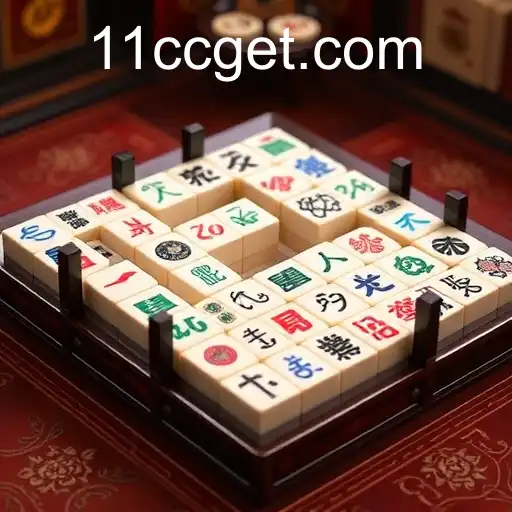
Mahjong involves a set of 144 tiles, with each tile belonging to one of several suits: Bamboo, Characters, and Dots, among others. Additionally, there are special tiles such as Winds and Dragons, which add further layers of strategy and complexity to the game. Typically, four players participate, although variations exist for different numbers of participants.
The objective of Mahjong is to build a complete and legal hand by drawing and discarding tiles, similar to many rummy-style card games. A completed hand typically consists of four sets of three tiles and a pair of identical tiles, and achieving this before the other players results in victory.
The Role of Strategy in Mahjong
Success in Mahjong requires not only luck in drawing favorable tiles but also a strategic mindset. Players must carefully assess their tiles, anticipate opponents' moves, and build a winning hand. Savvy players also practice the art of reading their opponents, using every discard as a clue to their strategies and potential hands.
Different Variants of Mahjong
X06As Mahjong spread beyond China's borders, it evolved into numerous versions, each with distinct rules and styles. Notable variants include Japanese Riichi Mahjong, Hong Kong Mahjong, and American Mah-Jongg, each offering unique twists on the classical form. These variants introduce different rules surrounding the scoring, the pace of play, and strategic elements, allowing players to experience Mahjong in a myriad of ways.
Japanese Riichi Mahjong
ZZWINJapanese Riichi Mahjong is known for its stringent rules and methodical gameplay, focusing heavily on point scoring. This variant includes bonus indicators called dora and incorporates a rich layer of strategy, revolving around calling "riichi" or declaring a ready hand.
Hong Kong Mahjong
Hong Kong Mahjong, often seen as the default international standard, maintains a similarity to the traditional Chinese game but encourages faster-paced play. It emphasizes tile combinations and rewards the use of certain high-scoring tiles, making each match lively and unpredictable.
American Mah-Jongg
Distinct from its Asian counterparts, American Mah-Jongg incorporates special ‘joker’ tiles and a communal card that dictates valid hands for each year. This variation allows for flexibility and strategic experimentation, where adaptation to yearly changes plays a crucial role in devising winning strategies.
Mahjong and the Global Digital Platform
In recent years, the digital revolution has brought Mahjong to a global stage, facilitating broader access and engagement. Online platforms like 11CC.com make it possible for players from around the world to experience Mahjong's thrill and strategy from the comfort of their homes. These platforms offer various gamemodes and rule sets, ensuring that there is something for everyone, whether they are seasoned veterans or complete beginners.
Furthermore, digital platforms often include features that enrich the Mahjong experience, such as tutorial modes, leaderboards, and competitive tournaments. These enhancements allow players to refine their skills and engage with a global community, bringing together people from diverse backgrounds in appreciation of this timeless game.
Conclusion
Mahjong transcends mere gaming to act as a bridge between cultures, inviting players to engage not only with its rules but with the rich cultural heritage it represents. Understanding its layered complexities and diverse variations offers a rewarding journey through one of the world's most beloved pastimes. In today's digital era, platforms like 11CC.com play a crucial role in perpetuating the allure of Mahjong, ensuring its continued evolution and widespread enjoyment across the globe.